Health and Safety Policy for Rubbish Waste and Waste Handling
 This policy sets out a clear, practical approach to managing rubbish waste and associated health and safety risks. It applies to everyone involved in waste handling, refuse collection, collection points and on-site waste removal activities. The objective is to reduce harm, prevent contamination and protect workers, contractors and nearby occupants by applying consistent safe systems of work. The policy emphasises that effective rubbish management and garbage handling require documented procedures, adequate resources and ongoing oversight.
The scope covers all types of waste streams including general refuse, recyclable materials, contaminated waste and bulky waste destined for transfer or disposal. It focuses on safe segregation, storage, transport and disposal practices, and on controls to minimise exposure to hazards. Key principles include risk assessment, safe handling, minimising manual lifting, and ensuring competent personnel. Training, supervision and provision of appropriate personal protective equipment are mandatory components of this approach.
 Roles and responsibilities are allocated to ensure both managerial control and worker engagement. Managers must assess workplace hazards, ensure safe systems and maintain records; supervisors must enforce procedures; and individuals must follow instructions and report hazards. Critical duties are summarised in the following list:
- Identify and segregate different waste types at source
- Provide and maintain appropriate containers and signage
- Ensure PPE is used and replaced when necessary
Risk Assessment and Controls for Waste Disposal Activities
All rubbish and waste removal tasks require a documented risk assessment before work begins. Assessments should consider manual handling risks, sharps, biological hazards, toxic substances, fire risk and traffic movements associated with collection vehicles. Controls include mechanical aids for lifting, secure containment of hazardous refuse, ventilation where odours or fumes are present, and clear segregation for recyclable versus non-recyclable waste. Precautionary measures must be proportionate to the hazard and regularly reviewed.
 Personal protective equipment is a last line of defence and must be chosen based on risk. Typical PPE for waste operations includes gloves resistant to cuts and chemicals, high-visibility clothing where vehicles are present, sturdy footwear and appropriate respiratory protection when dust or airborne contaminants are a risk. Supervisors should monitor PPE use and ensure stock levels are maintained. Training on correct donning, doffing and disposal of contaminated PPE is essential to limit cross-contamination.
Storage and containment arrangements must prevent pest attraction, leachate runoff and accidental release of hazardous materials. Designated storage areas should be secure, labelled and sized to avoid overfilling. Where compactors or balers are used, lock-out/tag-out procedures and machine guarding are mandatory. Waste management procedures must be integrated into routine site inspections and housekeeping regimes to maintain safe conditions.
Operational Procedures, Emergency Preparedness and Monitoring
Operational controls cover collection schedules, segregation protocols and transfer documentation. Waste transfer notes and manifest systems help track material movements and ensure that hazardous waste is transported by appropriately authorised carriers. Routine monitoring, audits and incident reporting help detect trends and prompt corrective actions. Records of training, inspections and incident investigations must be retained to demonstrate due diligence.
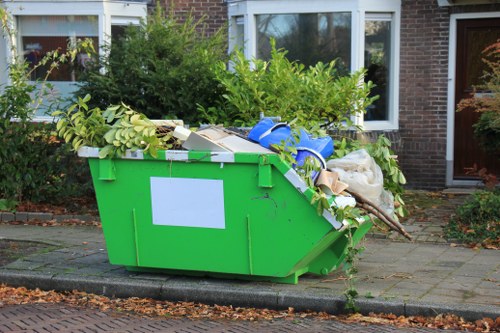 Contractors and third-party carriers engaged in waste removal must be evaluated for competence and safety performance. Contract terms should specify safe working practices, insurance and incident notification requirements. On-site personnel should oversee contractor activities, confirm segregation rules are followed and ensure that handover of materials includes appropriate documentation. Coordination between site staff and contractors is essential to avoid misunderstandings that could lead to injury.
 Emergency procedures must address spills, contamination events, sharps encounters and fire. Clear instructions, spill kits, first-aid provisions and communication channels are required so that incidents are contained and treated effectively. Post-incident reviews should identify root causes and update controls. Regular drills and clear signage improve preparedness and help maintain a resilient approach to refuse and garbage incidents.
Performance indicators for rubbish and waste programmes should include incident rates, audit scores, training completion and waste diversion metrics. Continuous improvement relies on measurable targets and periodic policy review. Management will review this policy at planned intervals or sooner following a significant incident, change in operations or new information about hazards.
Everyone engaged in waste handling must understand that safety and environmental protection are shared responsibilities. Participation in training, adherence to procedures and active hazard reporting contribute to a safer workplace. Commitment to safe waste handling demonstrates respect for colleagues, the public and the environment.
In summary, this health and safety policy for rubbish waste emphasises prevention, clear roles, robust controls and ongoing verification. Implementation includes risk assessment, PPE, segregation, safe storage, contractor oversight, emergency readiness and continuous monitoring. By following these measures, organisations can manage refuse and waste streams in a way that protects people and reduces harm to the environment.