Complaints Procedure for Rubbish Waste
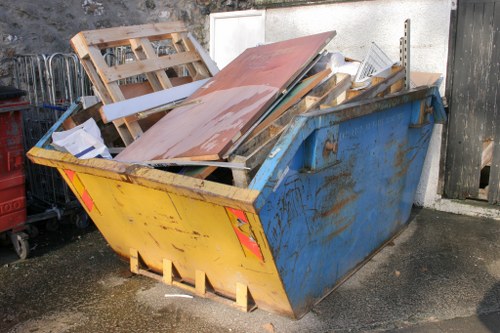 Purpose: This complaints procedure sets out how concerns about rubbish waste, refuse collection and waste management services are recorded, investigated and resolved. It is designed to be transparent and consistent so that anyone raising a complaint about waste disposal, garbage collection or refuse collection understands the steps that will be taken. The process applies to complaints about household bin emptying, communal waste areas, litter collection and other municipal waste services. It aims to protect public health and environmental quality while ensuring fairness and timeliness.
Scope and Who Can Complain
Any affected person or representative may raise an issue relating to rubbish disposal, waste collection failures, overflowing bins, bulky waste handling or incidents of illegal dumping. Complaints about recycling, hazardous waste handling or commercial refuse services are also covered where applicable. Complaints should focus on the service or action taken rather than individual staff members; however, concerns about conduct will be treated seriously and investigated appropriately. The procedure applies equally across all service types and covers both recurring problems and one-off incidents.
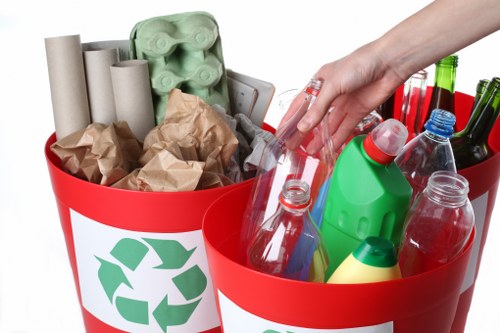 Initial acknowledgement: On receipt of a complaint about refuse disposal or waste collection, an acknowledgment will be issued promptly. That acknowledgement confirms the complaint has been recorded, provides a reference number and outlines the expected timescale for a full response. The aim is to acknowledge receipt within a short period so complainants know their issue is being taken seriously. Where further detail is required to progress the matter, a caseworker will request the necessary information and provide guidance on what to include.
What We Will Do
 Investigation: Complaints about rubbish and waste will be investigated by gathering relevant records, service logs, collection schedules and any photographic or witness evidence supplied by the complainant. Investigations aim to determine the cause of the problem — whether operational error, scheduling, misclassification of waste, or external factors such as contamination or obstruction. Findings will be documented and used to inform any corrective action.
Resolution options may include arranging a repeat collection, scheduling removal of bulky items, providing information on proper waste segregation, arranging enforcement action where unlawful dumping is found, or making operational changes to prevent recurrence. In some cases, remedial work will be prioritized to reduce health or environmental risk. Where compensation is considered appropriate for demonstrable loss, this will be assessed in line with policy principles and documented procedures.
Timescales and updates: Complainants will be kept informed at key stages: acknowledgment, progress update, outcome and any follow-up actions. Typical investigations will aim to be completed within defined timeframes, but complex cases may require additional time. Regular status updates will be provided so the person raising the complaint knows how the case is progressing and when a final response can be expected.
Record keeping is an essential part of the process. All complaints about waste services are logged and retained to allow trend analysis, service improvement and accountability. Records will include a summary of the issue, actions taken, correspondence, outcome and lessons learned. This information supports operational planning, helps target resources to recurring hot spots and informs training for staff involved in refuse and recycling services.
 Escalation and review: If a complainant is not satisfied with the initial outcome, the matter may be escalated for an independent review within the organisation. An internal review will examine whether the procedure was correctly followed, whether the investigation was thorough and whether the outcome was reasonable. Escalation does not guarantee a different result, but it does provide an additional layer of scrutiny to ensure fairness and consistency in decisions regarding rubbish removal, waste collection and related enforcement.
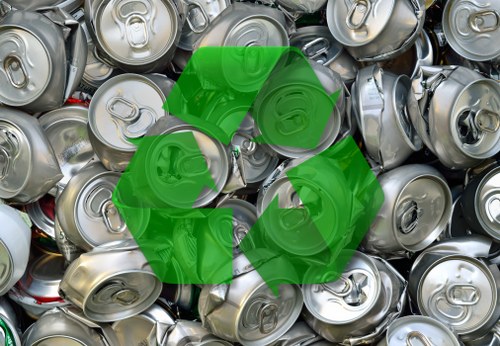 Monitoring and continuous improvement: Trends from complaints about waste and refuse are monitored to identify systemic issues. Where patterns emerge — such as repeated missed collections in an area or frequent contamination of recycling streams — targeted service reviews are initiated. Actions may include operational changes, public information campaigns on proper waste presentation, or adjustments to collection frequency. Continuous improvement ensures that the complaints process itself evolves to become more efficient and responsive.
Rights and responsibilities: Those making a complaint are asked to provide accurate information and any supporting evidence to enable a fair investigation. In return, the procedure ensures complaints are handled impartially, objectively and without undue delay. Complainants should expect clear, courteous communication and an explanation of any decisions made. Service providers and managers are responsible for implementing corrective actions, reporting on outcomes and learning from incidents to prevent recurrence.
Transparency and accountability: The complaints procedure for rubbish waste seeks to balance responsiveness with operational realities. It establishes clear steps from initial report to resolution, documents actions taken, and sets out escalation paths. By treating complaints as opportunities to improve waste services and maintain environmental standards, the process supports healthier communities and more reliable refuse and recycling operations.
Final note: This complaints procedure focuses on ensuring that concerns about rubbish, waste removal, garbage collection and refuse management are dealt with professionally and consistently. It is intended to deliver fair outcomes, timely responses and meaningful improvements while preserving the integrity of waste services and safeguarding public and environmental health.
- Record and acknowledge — capture the complaint and provide a reference.
- Investigate — gather evidence and determine root cause.
- Resolve and report — take corrective action and inform the complainant.