When a hazardous waste consignment note is required in the UK
If you are dealing with waste that might be classed as hazardous, the paperwork can feel like the least exciting part of the job. But it matters. A lot. Knowing when a hazardous waste consignment note is required in the UK helps you move waste legally, protect people on site, and avoid avoidable headaches later on. Whether you are clearing an office, emptying a garage, or handling commercial waste from a busy premises, the rules are there for a reason. This guide explains the note, when it is needed, how it works in practice, and the common mistakes that catch people out.
Truth be told, many compliance problems start with a simple assumption: "it's just waste, surely?" Then you find out the item contains chemicals, oils, batteries, asbestos, paint, solvent residue, fluorescent tubes, or something else that changes the picture entirely. Let's make it clear, in plain English.
Table of Contents
- Why it matters
- How it works
- Key benefits and practical advantages
- Who this is for and when it makes sense
- Step-by-step guidance
- Expert tips for better results
- Common mistakes to avoid
- Tools, resources and recommendations
- Law, compliance, standards, or best practice
- Options, methods, or comparison table
- Case study or real-world example
- Practical checklist
- Conclusion
- Frequently asked questions
Why When a hazardous waste consignment note is required in the UK Matters
A hazardous waste consignment note is not just a piece of admin. It is the record that shows hazardous waste has been identified, described, handed over, transported, and received properly. In other words, it helps create a chain of responsibility. If something goes wrong later, that paper trail can be the difference between a manageable issue and a compliance mess.
For businesses, the note supports duty of care. For householders, the situation is a little different, because household hazardous waste is often handled through council or specialist collection routes rather than the same business documentation process. That distinction matters more than people realise. A small job at home and a cleared-out workshop may both involve "waste", but they are not always treated the same way.
There is also the practical side. Waste carriers, transfer stations, and receiving facilities rely on accurate descriptions to decide how waste should be handled. If the consignment note is missing, incomplete, or plain wrong, the waste may be refused, delayed, or reclassified. Nobody wants a van load of material sitting around while someone tries to figure out what it actually is. Not ideal, especially on a wet Tuesday morning in London traffic.
Key point: the note helps prove hazardous waste was managed correctly from the moment it left your site. If you are unsure whether a material is hazardous, treat the question early rather than late. That small pause can save a lot of trouble.
How When a hazardous waste consignment note is required in the UK Works
The consignment note comes into play when hazardous waste is being moved and the law expects a formal record of the transfer. The exact process depends on who holds the waste, what type it is, and where it is going, but the structure is usually straightforward: identify the waste, classify it properly, complete the note, hand the waste to an authorised carrier, and keep a copy for records.
In practical terms, the note typically captures:
- the producer or holder of the waste
- the premises where the waste came from
- the carrier collecting it
- the destination facility
- the type and quantity of waste
- how it is packaged or contained
- relevant hazard details and coding
That last point matters. Hazardous waste is not described in vague terms like "rubbish" or "old chemicals". It needs a clear description that helps the next person in the chain understand exactly what they are dealing with. If a load contains several different hazardous streams, each one may need proper separation and description. Mixed waste is where things get messy fast.
In our experience, the best-run jobs are the ones where paperwork is sorted before the van arrives. The waste is identified, the note is ready, the carrier knows what they are collecting, and everyone can get on with the actual work. Simple. Efficient. Boring, even. Which is exactly what you want when compliance is involved.
When the note is usually needed
You will usually need a hazardous waste consignment note when hazardous waste is being moved from a business or non-household source and transferred to a licensed or permitted site. Common examples include contaminated packaging, oils, solvents, paints, certain cleaning chemicals, asbestos-containing materials, fluorescent lamps, batteries in some contexts, and waste from industrial or maintenance activities.
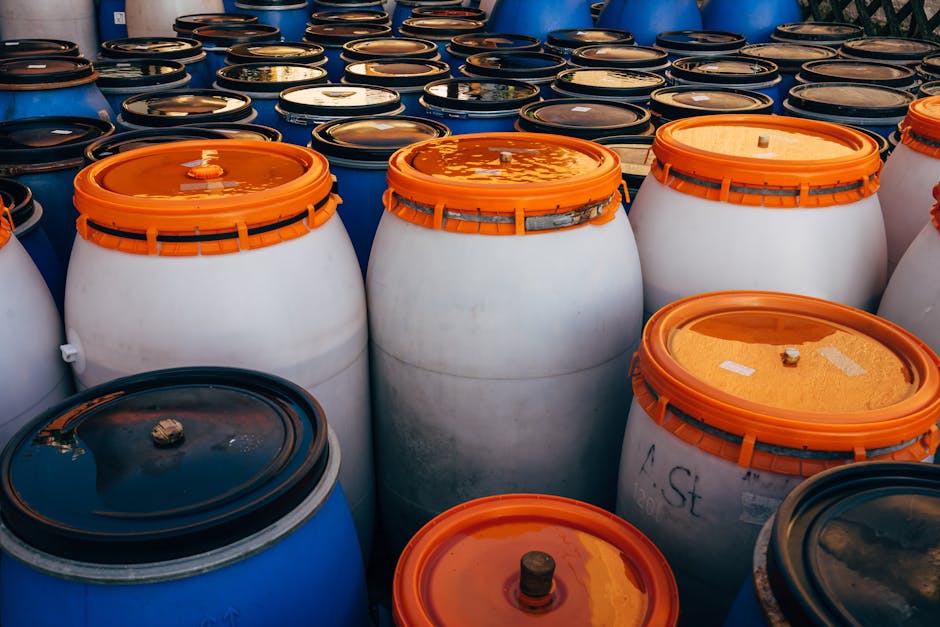
It is not only about obvious high-risk waste. Some items become hazardous because of contamination or how they were used. A drum that held chemicals may still be hazardous even if it looks empty. That is where a bit of care saves a lot of assumption-based mistakes.
When it may not follow the same route
Household waste often sits in a different category. If you are a homeowner clearing a shed or loft, you may not personally complete a hazardous waste consignment note in the same way a business would. However, if a waste contractor collects the material, they still need to manage it correctly and follow the right paperwork route where required. So the absence of a form in your hands does not mean the waste is magically non-hazardous. Sadly, it does not work like that.
Key Benefits and Practical Advantages
There is a reason this document exists. When used properly, it makes hazardous waste management cleaner, safer, and easier to defend if anyone asks questions later.
- Compliance support: it creates a clear record that the waste was transferred properly.
- Traceability: everyone knows where the waste came from and where it went.
- Safety: the receiving site gets the information needed to handle the load correctly.
- Accountability: it is harder for waste to disappear into the wrong stream.
- Operational clarity: teams can plan collection, storage, and transport more reliably.
For managers, this can also reduce internal friction. If a contractor, site team, and office manager all have different ideas about what was collected, the note provides a single point of reference. That is worth a lot when a job is half-finished and someone is asking, "did we actually log that barrel?"
There is another benefit people overlook: better waste classification often leads to better disposal decisions. Once you properly separate hazardous from non-hazardous material, you may be able to streamline the rest of the clear-out. For example, a workplace move-out might involve one stream for hazardous items and another for general office waste. If you are also dealing with larger items, a service like office clearance can help keep the non-hazardous side of the job organised while the riskier materials are handled separately.
Who This Is For and When It Makes Sense
This topic matters to a surprisingly wide group of people. Not just industrial sites, either.
- Business owners and facilities teams: especially where chemicals, maintenance products, batteries, or construction-related waste are involved.
- Landlords and property managers: when clearing abandoned materials, plant-room waste, or refurbishment debris.
- Office managers: if the site stores toner, cleaning agents, electronics, or old equipment that may have hazardous elements.
- Builders and contractors: where contaminated packaging, paints, sealants, or specialist materials are present.
- Householders: if arranging removal of waste that may contain hazardous items, even if the paperwork is handled by the collector.
It makes sense to pause and ask a simple question: could this waste pose a health, safety, or environmental risk if handled like ordinary rubbish? If the honest answer is yes, or maybe, then the consignment note conversation starts there.
Many people also underestimate the role of mixed premises. A small business operating from a workshop, a shop backroom, or a home office can produce waste that feels "everyday" until you inspect it closely. Old fluorescent tubes in a cupboard, solvent tins under a sink, and half-used adhesive containers can quietly turn a routine clearance into something more regulated.
Step-by-Step Guidance
If you want to handle this properly without overcomplicating it, follow a practical sequence. Nothing fancy. Just a clear process.
- Identify the waste correctly. Check what the item is, what it contains, and whether it has been contaminated. Labels, safety data, and storage history can help.
- Separate hazardous from non-hazardous waste. Do not mix streams unless a competent professional has confirmed it is allowed.
- Confirm whether a consignment note is needed. This depends on the source, type of waste, and how it is being transferred.
- Complete the description accurately. Be specific. Avoid vague wording. The next handler should understand exactly what they are receiving.
- Use an authorised carrier and destination. The collector should be licensed or otherwise appropriately authorised for the material.
- Check signatures and copies. Make sure the transfer is signed off correctly and records are kept.
- File the paperwork. Keep your copy where you can find it later. Misplaced records are a classic pain point.
If you are arranging a broader clearance as part of the job, it helps to map the non-hazardous waste at the same time. For larger mixed clearances, services such as business waste removal can be useful for the general waste stream, leaving hazardous items to be dealt with separately and properly.
One useful habit: take photos before collection. Not for drama. Just for accuracy. A quick image of the containers, labels, and storage area can support the description later if someone queries the paperwork. It also helps when the site is busy and you are dealing with several similar-looking drums or boxes. They all look the same at 4:45 pm, don't they?
A simple decision sequence
- Is the waste from a business or regulated activity?
- Does it contain hazardous substances or contamination?
- Is it being transferred to another party?
- Will the recipient need formal waste identification to accept it safely?
If most of those answers are yes, assume the paperwork matters and verify it before collection.
Expert Tips for Better Results
A few small habits make a big difference here. They are not glamorous, but they work.
Start with classification, not collection. People often book a pickup first and investigate the waste second. That tends to create pressure and corner-cutting. Better to identify the stream early and book the right route from the start.
Keep hazardous items separate and labelled. Do not put batteries with general electrical waste unless the contractor has told you exactly how they want them prepared. The same goes for solvents, paints, aerosols, and unknown liquids. If in doubt, isolate them.
Use consistent naming. If one person calls it "paint waste" and another calls it "solvent residue", the records get muddy. Clear naming keeps the chain of custody intelligible.
Plan for access. A lot of waste jobs go wrong because the contractor cannot get to the items safely. Narrow stairways, blocked basements, and cluttered storage rooms all matter. A neat route means a smoother collection.
Ask the collector about paperwork before the day. This is one of those tiny conversations that prevents bigger problems. If the note needs to be prepared in advance, you want to know that before the van is outside.
Don't guess. This sounds obvious, but it is probably the single biggest lesson in waste compliance. If you are not sure what something is, get it identified before moving it. Guessing is cheap right up until it is not.
Common Mistakes to Avoid
The same errors show up again and again. Avoiding them is half the battle.
- Assuming every waste transfer needs the same paperwork: household, commercial, and specialist waste do not all follow identical handling patterns.
- Using vague descriptions: "mixed waste" or "chemicals" is often not enough detail.
- Mixing hazardous and non-hazardous waste: this can complicate classification and disposal.
- Leaving the note until collection day: that is how mistakes creep in.
- Ignoring small quantities: a small amount of hazardous material can still trigger the need for careful handling.
- Forgetting recordkeeping: if you cannot prove what was moved, you have a weak position later.
There is also a subtle mistake people make: treating paperwork as separate from the physical job. It is not. The note should match the real world situation on site. If the description says one thing and the containers say another, someone will eventually notice. Usually at the worst possible time.
If the wider clearance includes awkward items or mixed clutter, a good preparation process helps. You may find it useful to read why hiring a licensed waste carrier matters for complex jobs and the mistakes that can trigger council fines during DIY clear-outs. Those practical checks often save people from a messy afternoon.
Tools, Resources and Recommendations
You do not need a mountain of software to manage hazardous waste properly, but a few simple tools make life easier.
- Waste inventory sheet: record each item, container type, quantity, and location.
- Label templates: useful for marking containers clearly before collection.
- Photo log: a quick visual record of what was on site and how it was stored.
- Collection checklist: helps staff remember paperwork, access arrangements, and handover details.
- Storage log: especially helpful if waste stays on site for any period before collection.
If your site generates lots of packaging or ancillary waste alongside hazardous material, it helps to keep the broader waste strategy tidy too. For example, some organisations reduce overflow and confusion by using better sorting and storage discipline across the site. A practical approach to wider recycling and disposal can be supported by resources such as recycling and sustainability, especially when you are trying to reduce contamination between waste streams.
For physical clearances, use common-sense preparation. Keep access routes clear, group like items together, and make sure sharps, liquids, and fragile containers are treated carefully. A bit of order at the beginning saves a lot of fiddly repositioning later. No one likes carrying a heavy box twice.
Law, Compliance, Standards, or Best Practice
The exact legal duties around hazardous waste can vary depending on the source of the waste, the jurisdiction within the UK, and the nature of the material itself. That is why it is wise to treat compliance as a practical process rather than a memorised rulebook. The safest approach is to identify the waste correctly, use the right transfer paperwork where required, and keep records that show the waste was handled by authorised parties.
Best practice usually includes:
- accurate waste classification
- clear segregation of waste types
- use of authorised carriers and facilities
- complete and legible paperwork
- retention of records for the relevant period
- training for staff who handle waste
It is also good practice to align waste handling with your wider site policies. If your workplace already uses health and safety procedures, permit systems, or contractor check-in controls, keep the waste process consistent with those habits. That way, the consignment note is part of the system, not a random extra form that appears at the last minute.
For businesses that handle complex waste or multi-location collections, a documented process is especially useful. It shows that your team is not just reacting to collections but actively managing them. If you need to understand the wider operational picture, health and safety policy and insurance and safety information can help frame the sort of controls a responsible operator should have in place.
Practical reminder: compliance is not only about avoiding penalties. It is also about protecting staff, contractors, and the receiving site. That is the part people feel in real life.
Options, Methods, or Comparison Table
When dealing with hazardous waste, the method you choose affects paperwork, speed, cost, and risk. Here is a simple comparison of common approaches.
| Approach | Best for | Pros | Watch-outs |
|---|---|---|---|
| Self-managed transfer | Experienced businesses with in-house compliance | More control, direct oversight, predictable process | Higher risk if staff are not trained or paperwork is missed |
| Specialist waste contractor | Most hazardous or mixed waste jobs | Professional handling, less admin pressure, better traceability | Needs good pre-planning and accurate item descriptions |
| Broad clearance service with separated streams | Mixed sites with both hazardous and non-hazardous waste | Efficient, practical, easier for offices or homes with clutter | Hazardous items still need to be identified early |
For many readers, the second option is the most sensible. If the waste is genuinely hazardous or there is any doubt, it is usually better to use a contractor who already works with the right controls than to improvise. That is especially true where a job includes bulky items, furniture, or general clear-out material alongside the hazardous stream. Services like waste removal can support the broader job while the specialist stream is handled separately.
Case Study or Real-World Example
Picture a small London office that is closing one floor and refurbishing another. The team has general office clutter, old chairs, broken filing cabinets, a few computers, and, tucked in a cupboard, several tins of old maintenance chemicals and a box of fluorescent tubes. At first glance, it looks like a standard office clearance. But those cupboard items change the job.
The non-hazardous office items can be scheduled as part of the clear-out. The hazardous items need to be checked, described properly, and handled through the correct transfer paperwork. If the team had simply bundled everything together, the collection could have been delayed while the contractor sorted the load out on the spot. Not impossible, but not fun either.
Instead, the site manager made a quick inventory, separated the hazardous items, and asked the contractor in advance what would be needed. The paperwork was ready before collection day. The general waste moved through the main clearance, and the hazardous items were transferred with the right documentation. The whole thing was calmer, faster, and much easier to explain afterwards.
That is the practical lesson: once the waste is separated and the paperwork is aligned, the job gets simpler. Funny how that works.
Practical Checklist
Use this checklist before arranging a hazardous waste collection or transfer.
- Have I identified every item that may be hazardous?
- Have I separated hazardous waste from general waste?
- Do I know the source, type, and approximate quantity of the waste?
- Have I confirmed whether a consignment note is required?
- Have I prepared accurate descriptions and labels?
- Is the carrier authorised for the waste type?
- Is the destination facility appropriate for the material?
- Are access routes clear for safe collection?
- Have I kept a copy of all relevant paperwork?
- Has someone on site been briefed on what is being collected?
If you can tick all of those boxes, you are already ahead of most last-minute collections. And if you cannot, that is useful too. It shows where the weak point is before the van arrives.
Conclusion
So, when a hazardous waste consignment note is required in the UK, the short answer is: whenever hazardous waste is being transferred and the rules call for a formal record of that movement. The longer answer is more practical. You need to identify the waste properly, separate it from general rubbish, complete the right paperwork, and make sure everyone in the chain knows what is being handled. That is the real job.
Get the classification right, keep the records tidy, and do not leave the paperwork until the last minute. It is one of those unglamorous tasks that quietly protects your site, your people, and your peace of mind. And that, frankly, is worth doing properly.
Get a free quote today and see how much you can save.
Frequently Asked Questions
What is a hazardous waste consignment note in the UK?
It is a transfer document used to record the movement of hazardous waste from one holder to another. It helps show what the waste is, who handled it, and where it went.
Do I need a consignment note for household hazardous waste?
Usually, household waste is handled differently from business hazardous waste. If you are a householder, the contractor or collection service may manage the required paperwork. The key thing is not to assume the material is non-hazardous just because it came from home.
When exactly is a hazardous waste consignment note required?
It is generally required when hazardous waste is being transferred and formal recordkeeping is needed for compliance. The exact requirement depends on the source of the waste, the type of material, and how it is being moved.
What counts as hazardous waste?
Common examples include certain chemicals, oils, solvents, contaminated packaging, paints, asbestos-containing materials, batteries, and some electrical or maintenance waste. The important part is how the item is classified, not just how it looks.
Can I move hazardous waste without a note if it is only a small amount?
Not safely, and not usually legally if the transfer falls within the rules requiring the note. Small quantities can still be regulated, so it is better to check before moving anything.
Who should fill in the consignment note?
Usually, the waste producer or holder, along with the carrier and receiving site, each complete their relevant parts. In practice, many businesses ask the contractor to guide the process, but the information still needs to be accurate and specific.
What happens if the note is wrong or incomplete?
The load may be delayed, refused, or recorded incorrectly. In more serious cases, poor paperwork can create compliance problems and make it harder to prove the waste was managed properly.
How long should I keep hazardous waste records?
Recordkeeping periods can depend on the type of waste and the applicable rules. It is best to keep copies for the relevant statutory period and to store them somewhere you can actually find later. Filing systems have a habit of becoming mysterious when you need them most.
Do I need separate paperwork for mixed waste streams?
If different waste types are being handled, they may need to be separated and described properly rather than grouped together under one vague label. A contractor can advise on whether separate paperwork is needed for the load.
Can a waste contractor handle the paperwork for me?
They can often help prepare or manage it, but you should still ensure the details are accurate. Passing the job to a contractor does not remove your responsibility to provide correct information.
What is the difference between hazardous and non-hazardous waste transfer paperwork?
Hazardous waste uses a more specific consignment note process, while non-hazardous waste may be documented differently. The exact paperwork depends on the type of waste and the transfer arrangement.
What should I do if I am not sure whether an item is hazardous?
Pause and check before moving it. Review labels, storage history, or product information, and ask a competent waste professional if needed. Guessing is the expensive option, usually.
Is a consignment note needed for construction or renovation waste?
If the waste includes hazardous items such as contaminated materials, certain sealants, paint waste, or asbestos-related material, then yes, the hazardous stream may need the proper note and treatment. The rest of the waste may be handled separately.
How can I make the process easier on collection day?
Keep the waste separated, labelled, and accessible; prepare the paperwork early; and brief the team. A small amount of organisation makes the collection smoother and reduces the chance of awkward surprises.