Safe disposal checklist for electricals and batteries in the UK
Old chargers in a kitchen drawer. A cracked power bank in a bedside table. A dead remote, a laptop that no longer switches on, and a box of loose batteries that has been gathering dust for years. Most homes and workplaces have a small pile of electrical waste hiding somewhere, and the tricky part is not usually finding it. It is knowing how to get rid of it safely.
This guide gives you a practical, UK-focused safe disposal checklist for electricals and batteries. It explains what to separate, what to tape, what never to throw in, and how to choose the right disposal route for homes and businesses. If you want a simple process that reduces fire risk, supports recycling, and keeps you on the right side of common UK best practice, you are in the right place.
For larger clear-outs, mixed items, or a property packed with old kit, it can also help to look at services such as waste removal or a broader home clearance solution so the items are handled in one organised visit.
Table of Contents
- Why safe disposal matters
- How the disposal process works
- Key benefits and practical advantages
- Who this is for and when it makes sense
- Step-by-step guidance
- Expert tips for better results
- Common mistakes to avoid
- Tools, resources and recommendations
- Law, compliance, standards and best practice
- Options and comparison table
- Case study or real-world example
- Practical checklist
- Conclusion
- Frequently asked questions
Why Safe disposal checklist for electricals and batteries in the UK Matters
Electrical items and batteries are not ordinary household rubbish. They can contain metals, plastics, circuit boards, and in some cases chemicals that should not end up in general waste. Batteries, especially damaged lithium-ion types, can also overheat or cause fires if they are crushed, pierced, or mixed with metal objects such as keys and coins.
That is the simple reason this topic matters. But there is a second layer too: correct disposal helps recover useful materials, reduces pressure on landfill, and supports more responsible recycling. In practical terms, it also keeps your home, van, office, or storage area less cluttered and less risky. Nobody wants a drawer full of mystery batteries that starts buzzing in the back of their mind every time they open it.
There is also a real-world safety angle. A loose battery terminal can short-circuit if it touches metal. A broken charger cable can expose wires. A swollen laptop battery should be treated carefully, not shoved in a bin bag with old cables and expired smoke alarms. A calm checklist removes guesswork and makes the job much less stressful.
Practical takeaway: electricals and batteries are safest when you sort them early, store them separately, and use the correct recycling or collection route before they become a problem.
How Safe disposal checklist for electricals and batteries in the UK Works
The process is straightforward once you know the categories. First, identify the item type. Is it a small portable battery, a rechargeable device, a mains-powered appliance, or an item with a built-in battery? Then decide whether it can be reused, repaired, donated, recycled, or needs specialist disposal.
Most households and businesses in the UK follow a similar sequence: separate the electrical items from ordinary rubbish, remove batteries where safe to do so, tape battery terminals if needed, and take the items to an approved collection point or arrange a licensed removal route. Councils, retailers, and private waste carriers may all offer different options depending on the size and condition of the item.
For example, an old bedside lamp might be suitable for reuse if it still works, while a swollen mobile phone battery should be isolated and taken to a suitable battery recycling point. A box of obsolete office equipment is different again, because it may contain data-bearing devices, cables, monitors, and mixed materials. In that case, a service like office clearance can be a better fit than trying to deal with each item separately.
One useful way to think about it is this: the safer the item seems, the more disposal choices you usually have. The more damaged, bulging, leaking, hot, or unknown it is, the more carefully it should be isolated and handled.
Key Benefits and Practical Advantages
Following a safe disposal checklist is not just about compliance. It saves time, reduces risk, and helps you make better decisions about what to keep and what to move on.
- Lower fire risk: batteries are stored and transported in a way that reduces accidental short-circuiting.
- Cleaner sorting: you avoid mixing electrical items with ordinary waste or general recycling.
- Better recycling outcomes: electricals often contain materials that can be recovered and reused.
- Less clutter: old chargers, cables, and broken gadgets stop building up in drawers, lofts, garages, and cupboards.
- Safer handling: damaged items are identified early instead of being moved around carelessly.
- More confidence: you know what to do with awkward items like power banks, vapes, remote controls, and embedded batteries.
There is a commercial angle too. Businesses that manage electrical waste sensibly often find it easier to keep stores tidy, protect staff, and plan disposal during office moves or refurbishments. If the job is larger than a bag of household batteries, you may find a service such as business waste removal more efficient than piecemeal drop-offs.
Who This Is For and When It Makes Sense
This checklist is useful for almost everyone, but a few groups benefit especially.
Homeowners and tenants
If you are decluttering the kitchen, clearing out a loft, or emptying a spare room, you will almost certainly find some electrical waste. It could be old plug-in appliances, broken fairy lights, unused battery packs, or boxes of random cables. If the property needs a broader sort-out, a house clearance or flat clearance service may simplify the process.
Landlords and letting agents
End-of-tenancy clean-ups often uncover appliances left behind, chargers in drawers, and batteries tucked into storage spaces. Safe removal matters because you may be dealing with unknown condition, mixed items, or tenants who have left older electronics behind.
Offices and small businesses
Office moves and equipment upgrades can create a surprising amount of electrical waste. Monitors, keyboards, routers, desk lamps, backup batteries, and old printers all add up quickly. In these situations, sorting ahead of collection helps save time and reduces disruption. A planned office clearance is often the neatest route.
Garages, lofts, and storage spaces
Electrical clutter tends to migrate to out-of-sight places. Garages collect chargers and spare batteries; lofts collect old radios and broken toys; sheds collect tools and battery packs that no longer hold charge. If that sounds familiar, a garage clearance or loft clearance can bring the whole lot under control.
Truth be told, most people do not need to be an expert in battery chemistry. They just need a reliable method. That is what this article is for.
Step-by-Step Guidance
Use the checklist below in the order shown. It keeps the process safe and avoids common mistakes.
- Gather all electrical items in one place. Work through drawers, shelves, cupboards, garage boxes, under-sink storage, desk drawers, and bedside tables. Do not forget spare remotes, chargers, power banks, and old toys.
- Separate batteries from appliances where it is safe to do so. If a battery is easy to remove, take it out. If it is built in or difficult to access, do not force it. Some devices are best handled whole.
- Inspect for damage. Look for swelling, leaking, corrosion, heat, odour, cracked casings, or exposed wires. Damaged batteries need extra caution and should not be stored loosely with other items.
- Sort by type. Group portable batteries, rechargeable items, mains appliances, and anything with data storage. Keep power tools, vapes, laptops, and large appliances separate if possible.
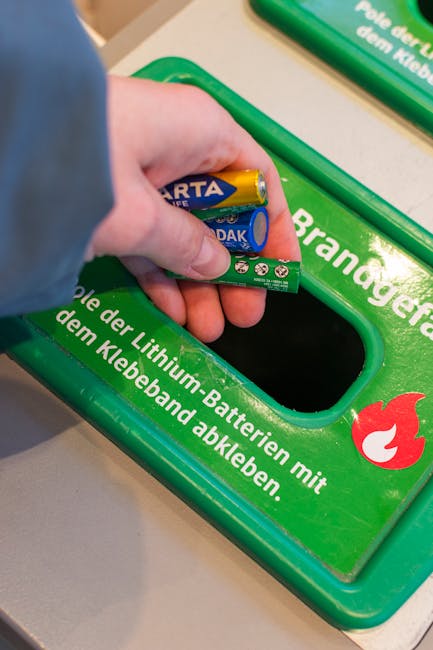
- Protect battery terminals. For loose batteries, especially 9V and lithium types, cover the terminals with non-conductive tape if recommended by your collection point. This reduces the chance of short-circuiting.
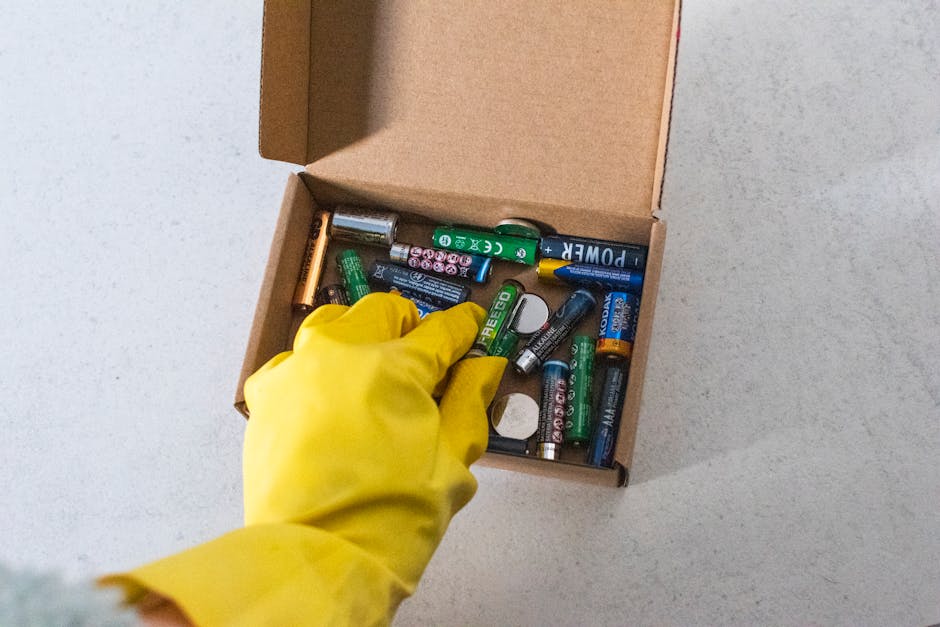
- Use a sturdy container. Place items in a box, tray, or lidded tub so they do not roll around and hit each other. Do not use thin bags for sharp or broken items.
- Check local disposal routes. Councils often provide household recycling centres or battery drop-off points. Retailers may also accept small batteries or old electricals. For mixed or bulky loads, a professional collection may be the easiest option.
- Remove personal data where needed. If you are disposing of phones, tablets, laptops, or smart devices, back up and wipe data before handing them over. If the device will not power on, seek specialist advice for data-sensitive disposal.
- Book the right collection or deliver the items yourself. Choose the route that suits the condition and volume of waste. For larger amounts, a service like recycling and sustainability guidance can help align the disposal route with responsible treatment.
- Confirm the final destination. When using a carrier or clearance service, ask where the electricals and batteries will go. A trustworthy provider should be clear about recycling, reuse, and lawful disposal routes.
If you are clearing an entire room or property, it is often easier to combine this work with a broader removal plan rather than trying to make repeated trips. That is especially true if old furniture, mixed waste, and electronics are all sitting together. A coordinated approach, such as furniture clearance alongside electrical sorting, keeps the job moving.
Expert Tips for Better Results
A few small habits make electrical and battery disposal much safer and less frustrating.
Keep a dedicated "electronics to deal with" box
Instead of leaving odd items scattered across the house, use one box or crate. Add cables, chargers, earphones, remotes, and spare batteries as you find them. It turns future clear-outs into a ten-minute task rather than a weekend project.
Do not mix metal with loose batteries
This is simple but easy to forget. Keys, screws, coins, and loose batteries do not belong in the same container. If you are storing batteries temporarily, keep them away from metal items and from heat sources.
Be cautious with swollen or hot batteries
If a battery looks bloated, feels unusually warm, or smells odd, treat it as suspect. Do not puncture it, flatten it, or place it under other waste. Isolate it carefully and follow the guidance of your local collection point or a qualified waste professional.
Plan disposal around a larger clear-out
If you are already sorting the loft, garage, or spare room, you can group items by material and use the same day to remove multiple waste streams. For example, combining electronics with furniture disposal can save time when an old TV stand, broken lamp, and dead vacuum cleaner are all being replaced at once.
Ask about reuse before recycling
Some electricals still have life left in them. If an item works, or can be repaired cheaply and safely, reuse may be better than disposal. That is particularly true for chargers, lamps, kitchen appliances, and office equipment.
Common Mistakes to Avoid
Most problems happen because people rush the process. The good news is that the mistakes are predictable, and therefore easy to avoid.
- Throwing batteries in general rubbish: this is one of the biggest risks, especially for rechargeable and lithium batteries.
- Mixing loose batteries with metal items: this can create heat, sparks, or damage terminals.
- Forcing batteries out of devices: if a battery is stuck, remove it only if the process is clearly safe.
- Ignoring damaged casings: cracked, swollen, or leaking items need extra care.
- Leaving batteries in storage for years: old batteries can corrode and stain containers or surfaces.
- Assuming every electrical item can go to the same place: local options vary by item type and condition.
- Disposing of data-bearing devices without thinking: phones, tablets, and laptops can contain personal or business data.
One subtle mistake is underestimating mixed waste. A loft box might contain a torch, some old Christmas lights, a set of rechargeable batteries, and a broken router. That is not one item; it is several disposal decisions hiding in the same box.
Tools, Resources and Recommendations
You do not need specialist kit for most household disposal tasks, but a few basic tools help.
- Non-conductive tape: useful for covering battery terminals where appropriate.
- Small lidded containers: good for storing loose batteries separately.
- Labels or marker pens: helpful if you want to mark damaged, dead, or ready-for-disposal items.
- Microfibre cloth or gloves: useful when handling dusty equipment or light corrosion.
- Collection bags or boxes: help keep small electricals together before drop-off.
For support beyond a household pile, it is worth checking a service provider's policies before booking. Pages such as insurance and safety, health and safety policy, and payment and security are good signs that a business takes handling and customer protection seriously.
If you are comparing collection options, pricing and quotes pages can help you understand what is included, especially when electricals are mixed with other waste streams. You may also want to review a provider's recycling and sustainability approach if environmental handling matters to you.
Law, Compliance, Standards, or Best Practice
UK disposal rules and local arrangements can vary, so it is sensible to check the latest guidance from your council, retailer, or waste carrier before you move items. The main practical point is this: electrical equipment and batteries should be handled through appropriate collection and recycling routes, not mixed casually into general waste.
For businesses, the expectations are usually stricter. Duty of care applies to waste management, which means you should take reasonable steps to ensure waste is stored, transferred, and handed over properly. That includes using a legitimate carrier and keeping enough information about where the waste goes. If you are responsible for office equipment, batteries, or replacement stock, a documented process is worth having.
Best practice also includes safer temporary storage. Keep batteries cool, dry, and separated. Keep damaged items apart. If a battery is leaking or swollen, avoid compacting or transporting it with heavy items. And if you are unsure, ask before acting; that is far better than guessing.
For companies and landlords in particular, keeping disposal records can be helpful. It supports good housekeeping, makes audits easier, and reduces confusion when someone asks, "Where did all those old tablets go?"
Options, Methods, or Comparison Table
There is more than one way to dispose of electricals and batteries. The right choice depends on quantity, condition, and convenience.
| Method | Best for | Pros | Watch-outs |
|---|---|---|---|
| Local council recycling point | Small household items and loose batteries | Usually convenient and suitable for routine disposal | May have limits on item size, condition, or access |
| Retail take-back scheme | Small batteries and compact electricals | Handy when you are already shopping | Not every store accepts every item |
| Reuse or donation | Working appliances and devices | Extends product life and reduces waste | Must be safe, complete, and still functional |
| Specialist collection service | Bulky, mixed, or sensitive items | Less lifting, less time, better for large clear-outs | Check what is included and how items are handled |
| Business waste route | Office equipment, stock, and larger volumes | Better for repeat or planned disposal | May require more documentation and sorting |
If you are dealing with a property full of mixed items, combining electricals with broader clearance work is often the most sensible option. For example, a house clearance may include old kettles, lamps, batteries, and furniture in one coordinated visit. That is often easier than separate trips to several different locations.
Case Study or Real-World Example
Imagine a typical spring clear-out. A family is emptying a spare room that has quietly become a storage zone for old gadgets. They find three dead torches, a broken portable speaker, a box of rechargeable batteries, a laptop charger with a split cable, and an old tablet that no one has used for years.
Instead of bagging everything together, they split the items into groups. The batteries go into a separate container with terminals taped where needed. The tablet is backed up and wiped before disposal. The charger and speaker are checked for any reuse potential, and the broken items are set aside for proper recycling. The rest of the room is cleared alongside some unwanted furniture, so the whole job can be completed in one go rather than over several weekends.
That is the kind of process that saves energy. It also avoids the classic half-finished clear-out, where three "temporary" boxes end up living in the hallway for the next two months. We have all seen that box.
Practical Checklist
Use this checklist before you dispose of any electricals or batteries.
- Gather all electrical items from drawers, lofts, garages, desks, and storage boxes.
- Separate loose batteries from appliances.
- Check for swelling, leaks, cracks, heat, or corrosion.
- Keep damaged batteries isolated from metal objects.
- Do not force batteries out of devices if removal feels unsafe.
- Cover battery terminals where appropriate with non-conductive tape.
- Store items in a sturdy box or container.
- Remove personal data from phones, tablets, and laptops.
- Decide whether the item can be reused, repaired, recycled, or must be collected.
- Use a council point, retailer take-back scheme, or licensed waste service.
- Ask where the items will go if you are using a collection company.
- Keep records if the disposal is for business or rental property use.
Expert summary: the safest approach is simple sorting, careful storage, and the right disposal route for the item's condition. If the waste is bulky, mixed, or awkward, bring in a clearance service rather than improvising.
Conclusion
Safe disposal of electricals and batteries does not need to be complicated. Once you separate the items, check for damage, protect terminals, and choose the right collection route, the process becomes very manageable. The real win is not just getting rid of old kit. It is reducing risk, protecting people, and making sure reusable materials are handled properly.
Whether you are clearing a single drawer or an entire property, a calm and organised approach will always beat a last-minute bin bag. If your job has grown beyond a few loose batteries, it may be worth combining your disposal plan with a wider clearance service so everything is handled efficiently and responsibly.
Get a free quote today and see how much you can save.
Frequently Asked Questions
Can I put electrical items in general rubbish in the UK?
In most cases, no. Electricals should usually be taken to an appropriate recycling or collection route rather than thrown into general waste. This helps reduce fire risk and supports proper material recovery.
What should I do with loose batteries first?
Keep them separate from other waste, especially metal items. If the battery type requires it, cover the terminals with non-conductive tape and place them in a sturdy container before dropping them off.
Are swollen batteries dangerous?
They can be. A swollen battery may indicate damage or instability, so do not puncture, crush, or keep it with loose metal objects. Isolate it and seek the correct disposal route.
Can I recycle batteries at a supermarket?
Some supermarkets and retailers provide battery collection points, but availability varies. Check the store's current policy before you travel.
What about old phones, tablets, and laptops?
These should be treated as electrical waste, and they may also contain personal data. Back up and wipe devices where possible, then use an appropriate recycling or take-back route.
Do I need to remove batteries from appliances?
Only if it is safe and straightforward to do so. Do not force a battery out of a device if there is any risk of damage. Some items are better left intact for proper handling.
How do I dispose of a damaged power bank?
Handle it carefully, keep it away from heat and metal items, and take it to a suitable battery or electrical recycling point. If it is hot, leaking, or badly damaged, get advice before moving it.
What is the safest way to store old batteries before disposal?
Store them in a cool, dry place in a non-metal container, away from direct sunlight and anything flammable. Keep loose batteries separated so they cannot touch each other or metal objects.
Can a clearance company take electrical waste too?
Yes, many can, especially if the waste is part of a larger home, office, or garage clear-out. It is sensible to ask in advance what types of electricals they accept and how they are handled.
Is it worth repairing electricals instead of recycling them?
Often, yes. If an item is repairable and safe to use, repair or reuse is usually the better option. It can save money and reduce waste, especially for everyday appliances.
What if I have a whole room full of old gadgets and batteries?
Sort them into categories first, then decide what can be reused, recycled, or removed in one visit. For larger jobs, a planned clearance service is usually more efficient than multiple small trips.
Do businesses have different disposal responsibilities from households?
Generally, yes. Businesses should be more deliberate about duty of care, records, and the use of legitimate carriers or collection routes. It is worth setting a clear process for staff.
How do I know if a disposal service is trustworthy?
Look for clear information about safety, recycling, payment, and customer support. Transparent pages such as about us, terms and conditions, and contact us can give useful reassurance before you book.