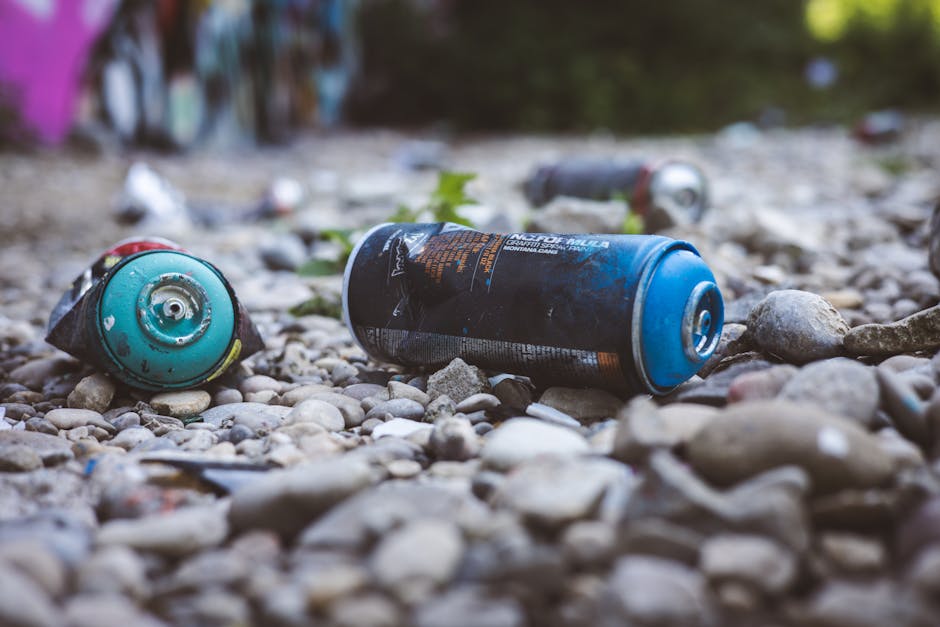
Items often wrongly recycled -- avoid these common errors
Recycling feels straightforward until you're standing by the bin with a greasy pizza box, a broken charger, and a takeaway cup in your hand, wondering which one is safe to toss in. That's where the trouble starts. Items often wrongly recycled -- avoid these common errors is really a practical guide to stopping contamination before it happens, because one misplaced item can spoil a whole bag or load of recycling.
If you've ever hesitated over black plastic trays, bathroom waste, old clothes, or electrical items, you're not alone. To be fair, the rules can feel oddly fiddly. Councils, materials recovery facilities, and reuse schemes all have slightly different expectations, and that creates confusion fast. This article breaks the subject down in plain English so you can recycle more confidently, avoid the most common slip-ups, and make better decisions when something looks recyclable but probably isn't.
For readers dealing with bigger clear-outs, it also helps to know how recycling links to wider waste handling. If you're clearing a room, garage, loft, or office, services such as waste removal, house clearance, and office clearance can be useful when the volume is too awkward to manage by the usual bin system.
Table of Contents
- Why this matters
- How recycling sorting works
- Key benefits of sorting correctly
- Who needs this guidance
- Step-by-step guidance
- Expert tips for better results
- Common mistakes to avoid
- Tools, resources and recommendations
- Law, compliance and best practice
- Options and comparison table
- Case study
- Practical checklist
- Conclusion
- Frequently asked questions
Why Items often wrongly recycled -- avoid these common errors Matters
Recycling only works well when the right materials go into the right stream. That sounds obvious, but in real life it's easy to get wrong. A yoghurt pot might be recyclable in one system but not another. A bottle may be recyclable, but not with its lid attached. A cardboard box may be fine, unless it's covered in food or wax coating. Small errors add up.
The biggest issue is contamination. One contaminated container won't usually cause a national disaster, obviously, but a bin filled with mixed waste can become much harder to process. Food residue, liquids, batteries, textiles, and electrical items all create practical problems at the sorting stage. Sometimes the batch has to be diverted or downgraded. That's frustrating for everyone.
There's also a simple household benefit: better sorting means less clutter, less bin overflow, and fewer "I'll deal with that later" piles sitting in the hallway for a week. You know the ones. A cleaner system at home usually feels calmer, and that little bit of order tends to spread. Strange but true.
Expert summary: The safest approach is not to guess. If an item is dirty, composite, soft plastic, electrical, hazardous, or made from several materials stuck together, pause and check before it goes in the recycling bin.
How Items often wrongly recycled -- avoid these common errors Works
At a basic level, recycling works in three stages: collection, sorting, and processing. Your job is to make the first stage easy. The cleaner and more consistent the items are when they leave your home or workplace, the more likely they are to be recycled properly later on.
Here's the catch: what looks recyclable is not always recyclable in the way people assume. For example, a clean drinks can is often acceptable, but a can still half full of food or drink can interfere with the whole load. Likewise, cardboard is widely recyclable, but if it's soaked in grease, it often needs to be treated as general waste instead.
Sorting systems also differ by material. Glass usually has separate collection rules from paper and card. Metals behave differently from plastics. Certain items, like batteries or small electronics, need dedicated handling because they can be hazardous or contain components that should not be crushed, mixed, or exposed to moisture.
In practice, the "works" part of recycling is mostly about discipline and a few habits:
- keep recyclables clean and empty
- separate mixed-material items where possible
- remove food residue, loose liquid, and non-recyclable inserts
- check local instructions before assuming an item belongs in the bin
If you're dealing with a full room or property rather than one bin, a more structured approach helps. Services like home clearance, flat clearance, or garage clearance can make it easier to separate reusable items from general waste and recyclable materials in one sweep.
Key Benefits and Practical Advantages
Getting recycling right is not just about being "good" at recycling. It has practical upside too, and quite a lot of it.
- Less contamination: cleaner recycling streams mean fewer rejected loads.
- Better use of space: sorted materials compact more neatly, especially paper, card, cans, and plastics.
- Less confusion at home: once you know the common problem items, day-to-day disposal becomes much quicker.
- More reuse opportunities: items that are not suitable for recycling may still be suitable for donation, repair, or separate disposal.
- Reduced general waste: when recyclables are correctly separated, your residual bin fills more slowly.
There's a less obvious advantage too. People often find that better recycling habits improve how they handle all waste. That means fewer mystery bags, fewer mixed boxes shoved into the wrong container, and fewer "I'm sure this will be fine" moments. Honestly, those moments are usually where the trouble begins.
For businesses, the benefits are even more practical. Office kitchens, print rooms, and stock areas can generate lots of avoidable contamination. A good separation routine can reduce mess and make collections smoother. If you're responsible for an office or premises, business waste removal can be a sensible option for mixed loads that are not straightforward enough for ordinary recycling.
Who This Is For and When It Makes Sense
This guidance is useful for almost everyone, but it matters most if you regularly deal with household waste, shared bins, clear-outs, or mixed material items.
You may need it if you are:
- sorting kitchen waste and packaging at home
- clearing a loft, shed, garage, or spare room
- managing office bins or communal waste areas
- dealing with renovation offcuts or builders' packaging
- trying to reduce contamination in a shared building
- deciding whether something should be reused, recycled, or disposed of separately
It makes particular sense during a house move, seasonal clear-out, renovation, or big declutter. That's when a lot of people suddenly discover they have more "recyclable-looking" stuff than they expected: broken lamps, packaging foam, old cables, paint tins, chipped crockery, and half a drawer of random chargers. We've all seen that drawer.
If the job is more than a bin sort-out, it may be worth looking at specialist help for bulky or awkward waste. A furniture disposal or furniture clearance service can be particularly helpful when you're handling items that are too large, too heavy, or too mixed-material to manage easily yourself.
Step-by-Step Guidance
Here's a simple method that works well in real homes and workplaces. It's not glamorous, but it's effective.
- Empty the item fully. Rinse out food or liquid where appropriate. A container with residue is not the same as a clean container.
- Look for mixed materials. If it combines plastic, metal, foam, film, glue, or fabric, it may need to be separated or disposed of differently.
- Check whether it is rigid or soft. Soft plastics, film, and wrappers are often handled differently from hard plastics.
- Ask whether it is contaminated. Grease, paint, chemicals, and heavy soil usually change the disposal route.
- Remove non-recyclable parts. Foil-lined lids, batteries, pumps, rubber attachments, and inserts often need to be removed.
- Sort by your local system. Follow the rules for your own collection setup, not what a friend in another borough says works for them.
- When in doubt, keep it out. A wrong item in recycling is worse than one item waiting for the right bin.
That last step is the one many people skip. Yet it's the safest habit. If something is genuinely uncertain, hold it back and check later. The bin will survive.
A practical example: a clean, empty drinks bottle can often go in recycling; the same bottle still partly filled with squash should not. A pizza box with only a light greasy mark might be accepted in some places, but if it's soaked through, it's usually better as general waste or compostable only where specifically accepted. Small differences, big consequences.
Expert Tips for Better Results
After dealing with enough clear-outs, one thing becomes very clear: the same mistakes appear again and again. Most of them are avoidable with a few habits.
- Keep a small "question box". Put uncertain items aside instead of making a quick guess.
- Flatten cardboard properly. It saves space and makes contamination easier to spot.
- Separate small electrical items early. Chargers, earbuds, remotes, and cables tend to get mixed into general clutter if you leave them too long.
- Watch for batteries in disguise. Toys, greeting cards, and some gadgets can contain batteries that need separate handling.
- Don't rely on appearance alone. A shiny tray may look recyclable, but coatings and food residue matter more than appearance.
- Use one dedicated bag for soft plastics only if your local system accepts them. Otherwise, avoid creating a "maybe" pile that never gets sorted.
One small but useful tip: when you open packaging, do it with disposal in mind. If you are unpacking appliances, furniture, or office supplies, keep the cardboard, polystyrene, plastics, and fixings separate from the start. It takes seconds. Later, it saves a lot of faffing about.
For larger clear-outs, services linked to specific property types can be handy. A loft that's been used for years often contains awkward mixed items, so loft clearance may be a better fit than trying to sort the whole lot in stages. Likewise, a shed or outbuilding can benefit from garden clearance when there's a mix of broken pots, timber, bags of soil, and general clutter.
Common Mistakes to Avoid
This is the heart of the topic. Most recycling errors come from a handful of patterns, and once you spot them, they become much easier to avoid.
1. Recycling items with food, grease, or liquid still inside
Greasy cartons, half-full bottles, and food-smeared packaging are classic contamination sources. A quick rinse or scrape can be enough in many cases, but if the item is heavily soiled, it usually belongs elsewhere.
2. Assuming all plastics are the same
Rigid plastic bottles, trays, film, black plastic, and expanded foam are not automatically treated the same way. This one catches a lot of people out because "plastic" sounds like one category, but in recycling terms it rarely behaves like one.
3. Mixing electricals with household recycling
Chargers, cables, kettles, hairdryers, toasters, and similar items should not be casually thrown in with cans or card. They often contain metals, plastics, and wiring that need separate treatment.
4. Putting batteries into any bin at all
Batteries deserve special mention because they're easy to overlook. Loose batteries or batteries inside discarded devices can be dangerous if handled badly. Keep them separate and deal with them properly.
5. Recycling clothing, textiles, or bedding as if they were packaging
Old clothes, curtains, duvet covers, and towels are usually not the same as household packaging recyclables. Some textiles can be reused or taken to textile collection points, but they shouldn't be mixed with paper and plastic.
6. Treating disposable coffee cups as ordinary paper
Many cups are lined or coated, which changes how they are processed. They're a common "looks recyclable, but maybe not" item.
7. Leaving lids, pumps, or mixed components attached
Packaging that combines different materials may need dismantling first. Pumps, spray triggers, caps, and foil seals often belong in a different stream from the main container.
8. Recycling broken ceramics, mirrors, or glassware with bottles and jars
Glass is not one simple category. Bottles and jars are often handled differently from ceramics, window glass, and mirrored items. A chipped mug is not the same thing as a glass bottle, even though both feel "glass-like" in the hand.
9. Forgetting about bulky waste and half-reusable items
A worn sofa or damaged wardrobe may not be recyclable in the ordinary sense, but it might be suitable for reuse, dismantling, or a dedicated collection route. That's where household services such as house clearance can be more practical than forcing everything into a recycling mindset.
10. Guessing based on another area's rules
This is a sneaky one. Recyclability can vary by local collection system, so advice from a friend or social media comment may be wrong for your borough. Not ideal, really.
Tools, Resources and Recommendations
You do not need fancy equipment to recycle well, but a few simple tools make life much easier.
- Two or three basic containers: one for paper/card, one for containers, one for items to check later.
- A marker pen or labels: useful for marking "keep", "recycle", "reuse", and "waste".
- Bucket or tub for rinsing: helpful in kitchens and utility rooms.
- Scissors or a box cutter: useful for separating packaging materials carefully, though keep safety in mind.
- Small caddy or tray for batteries and cables: stops them disappearing into the wrong pile.
From a practical perspective, your best resource is your own sorting routine. Keep it simple enough that people in the house actually use it. A complicated system that nobody follows is, frankly, just decorative.
If you're managing repeated waste streams at work, consider a clearer process for collection days and disposal routes. For example, offices often benefit from separating printer cartridges, electricals, paper, and general waste at source. And if your business generates mixed waste regularly, a dedicated business waste removal arrangement can be easier than piecing things together ad hoc.
It may also be worth reviewing broader sustainability habits. The page on recycling and sustainability is a sensible companion read if you want to reduce waste before it starts piling up in the first place.
Law, Compliance, Standards, or Best Practice
Without getting lost in legal jargon, there are a few important principles to keep in mind in the UK.
First, waste should be handled responsibly and taken to the right route for its type. That means recyclable materials should be kept as clean and separate as reasonably possible, while items such as batteries, electrical equipment, chemicals, and sharp or hazardous objects should be managed with extra care.
Second, businesses have a stronger duty to keep their waste organised and documented than casual household users. Mixed workplace waste can create safety, fire, and contamination issues, so a simple, consistent system matters. If you're responsible for premises, it's sensible to have an internal routine rather than leaving it to memory and hope.
Third, best practice is usually more important than chasing perfection. You do not need to turn your kitchen into a miniature recycling lab. You do need to stop the obvious problems: dirty containers, batteries in the wrong place, and mixed material items thrown in without thought.
For organisations that also care about safety and service standards, it helps to review practical policy pages such as health and safety policy, insurance and safety, and terms and conditions. They are not a substitute for local waste advice, but they do signal how seriously waste handling is taken.
Options, Methods, or Comparison Table
When an item looks "sort of recyclable" but you're not sure what to do with it, you usually have four practical options. The right choice depends on condition, material mix, and how much time you want to spend sorting.
| Option | Best for | Pros | Limitations |
|---|---|---|---|
| Recycle in the usual bin | Clean, accepted materials | Simple, quick, low effort | Only works when the item truly fits the local rules |
| Put aside for checking | Uncertain packaging or mixed materials | Prevents mistakes and contamination | Needs a follow-up routine so the pile does not grow forever |
| Reuse, donate, or repair | Usable household items and furniture | Often the most resource-efficient choice | Not suitable for broken, dirty, or unsafe items |
| Arrange dedicated waste removal | Bulky, awkward, or mixed waste | Handles larger loads more efficiently | Not always necessary for small, simple items |
In practical terms, the best method is often a mix. A box of books may be recycled or donated, a chair may need reuse or disposal, and broken packaging may need to wait for verification. A single rule for everything rarely works.
Case Study or Real-World Example
Picture a typical Saturday morning flat clear-out. There's a box of old cables, two cracked storage boxes, a broken desk lamp, a stack of takeaway containers, some worn towels, and half a shelving unit waiting near the door. None of it looks extreme. But nearly all of it could be sorted incorrectly if you rush.
The right approach is calm and methodical. The cables and lamp go aside as electrical items. The towels are checked for reuse or textile disposal. The takeaway containers are separated by cleanliness and material type. The shelving unit is assessed as bulky waste, not hopeful recycling. The cracked storage boxes are checked for plastic type and condition. Nothing dramatic. Just sensible sorting.
What changed? Not the waste itself, but the process. Once the household stopped treating all "lightweight stuff" as one pile, the sort-out became faster, the bags were cleaner, and the bin fill level made more sense. That's the hidden win most people notice only after they try it once.
For more complicated clearances, the same principle applies on a bigger scale. During a garage clear-out, you might find reusable furniture, scrap timber, garden waste, and old paint tins all in the same space. A structured service such as garage clearance or even builders waste clearance for renovation debris can be the cleaner route when sorting by hand becomes impractical.
Practical Checklist
Use this quick checklist before you put anything in the recycling bin:
- Is it clean and empty?
- Is it made of one material, or several?
- Does it contain food, grease, paint, chemicals, or liquid?
- Does it have batteries, wiring, pumps, lids, or inserts attached?
- Is it a rigid recyclable item, or a soft plastic/film that needs separate handling?
- Could it be reused, repaired, donated, or dismantled first?
- Are you following your local collection rules, not general guesswork?
- Would it be safer to keep it out and check later?
If you can answer "yes" to the right things, great. If not, pause. That pause is usually what saves the mistake.
Conclusion
Recycling works best when it is boringly consistent. Clean items, simple sorting, and a little caution around mixed materials make a surprisingly big difference. The aim is not perfection. It's avoidance of the common errors that cause contamination, frustration, and unnecessary waste.
Once you know the usual troublemakers - greasy packaging, batteries, electricals, textiles, mixed materials, and overconfident guessing - the whole process becomes easier. You start seeing what belongs where, and what really shouldn't be there at all. That's the point of this guide: fewer mistakes, better habits, and a smoother system that works in real life, not just on paper.
If you are planning a bigger clear-out or want help managing awkward waste in a safer, simpler way, explore the services and policies available on the site. A thoughtful approach now can save a lot of hassle later, and frankly, that feels good.
Get a free quote today and see how much you can save.
Frequently Asked Questions
What are the most commonly wrongly recycled items?
Common problem items include greasy pizza boxes, takeaway cups, batteries, electrical cables, black plastic trays, mixed-material packaging, textiles, and containers still holding food or liquid. These are the ones people most often assume are fine when they aren't.
Do I need to rinse everything before recycling?
Not everything needs a deep wash, but items should usually be empty and reasonably clean. A quick rinse or scrape is often enough for containers. If the item is heavily dirty or oily, it may need to go in general waste instead.
Can black plastic be recycled?
Sometimes, but not always. Black plastic is a classic source of confusion because some systems handle it differently from other rigid plastics. The safest move is to check your local guidance rather than assuming it will be accepted.
Should bottle lids be left on or removed?
That depends on the local system and the item type. In many cases, lids should be handled according to specific collection rules rather than guessed at. If you are unsure, check before recycling the item.
Are pizza boxes recyclable?
Only if they are clean enough in your local system. A lightly marked box may be acceptable in some places, but a box soaked with grease or food residue is usually not suitable for paper recycling.
Can I recycle broken glass, mugs, or mirrors?
Not usually with standard bottle-and-jar recycling. Broken crockery, ceramics, mirrors, and window glass often need different handling from container glass. They may be accepted elsewhere or treated as general waste, depending on the local setup.
What should I do with old batteries?
Keep them separate and do not place them loose into recycling or general waste unless your local system specifically says otherwise. Batteries can be hazardous if crushed or mishandled, so they deserve their own route.
Are clothes and bedding recyclable?
Sometimes, but not as ordinary household recycling. Textiles may be reusable, donation-worthy, or suitable for textile collection, but they should not usually go into paper, glass, or container recycling.
What if I have too many mixed items to sort properly?
If the load is awkward, bulky, or mixed across several materials, a dedicated waste service may be more practical than trying to fit everything into ordinary bins. That is especially true for clear-outs, refurbishments, and house moves.
Is it better to put doubtful items in recycling or general waste?
If you are genuinely unsure, it is usually safer to keep the item out of recycling until you can check. A wrong item can contaminate a recycling load, while one item held back for clarification is much easier to deal with later.
How can I make recycling easier at home?
Use simple labels, separate containers, and a small "check later" area for uncertain items. Keep it practical enough that everyone in the household can follow it without faffing around for ten minutes each time.
Does the same advice apply to offices and businesses?
Yes, but businesses usually need a tighter routine because mixed office waste builds up quickly. Paper, cans, electronics, batteries, and packaging should each have a clear place, and larger waste streams often work better with a structured removal plan.
If you want to keep your recycling habits tidy and your clear-outs manageable, start with the one rule that helps most: do not guess when an item looks doubtful. That small bit of care saves a lot of mess, and it's easier than fixing a contaminated bin later.