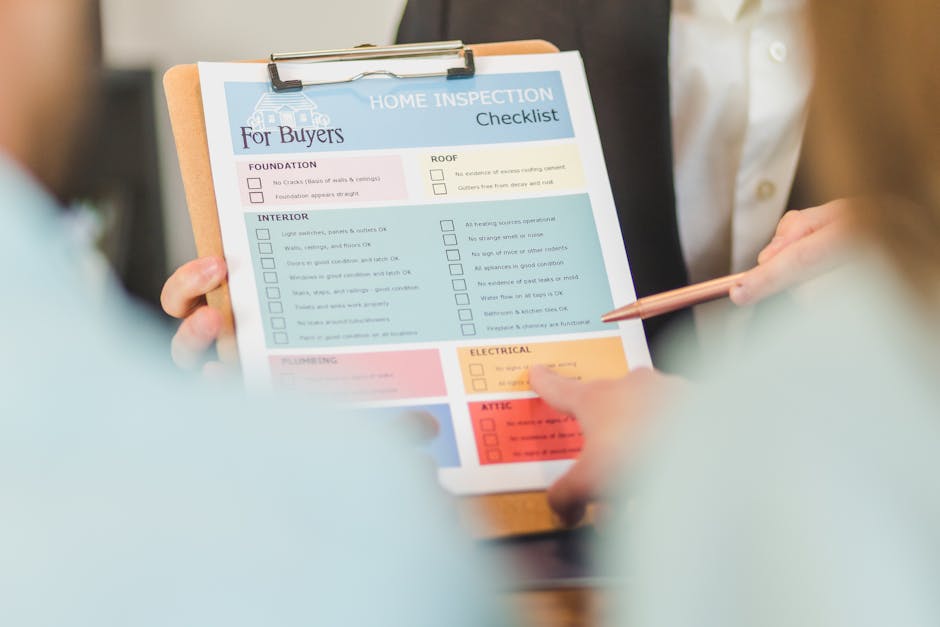
Get accurate site-clearance quotes: homeowner checklist
If you are trying to get accurate site-clearance quotes: homeowner checklist style, you are probably facing the same problem most homeowners do: the first quote looks reasonable, then the final bill starts drifting once the work is underway. A bit more rubble than expected. A hidden pile in the back garden. A garage that turns out to be packed right to the rafters. Sound familiar?
The good news is that accurate quoting is not mysterious. It mostly comes down to giving clear information, understanding what a quote should include, and spotting the small details that change the price. This guide walks you through the whole process in plain English, so you can compare quotes properly, avoid nasty surprises, and feel confident before anyone turns up with a van and a pair of gloves.
To make the process easier, we have also included practical checklists, a simple comparison table, and a real-world example near the end. If you want to read more about pricing structure first, take a look at pricing and quotes as a helpful starting point.
Table of Contents
- Why accurate site-clearance quotes matter
- How the quoting process works
- Key benefits and practical advantages
- Who this is for and when it makes sense
- Step-by-step guidance
- Expert tips for better results
- Common mistakes to avoid
- Tools, resources and recommendations
- Law, compliance, standards and best practice
- Options, methods and comparison table
- Case study or real-world example
- Practical checklist
- Conclusion
- Frequently asked questions
Why Get accurate site-clearance quotes: homeowner checklist Matters
Site clearance sounds simple until you are the one paying for it. In practice, the price can change depending on volume, access, labour, waste type, loading time, and whether the job involves awkward bits like soil, timber, broken fittings, or old shed materials. That is why a homeowner checklist matters so much. It helps you describe the job properly before anyone quotes.
When a quote is based on vague details, the risk is obvious. You may get a number that looks competitive but does not reflect the actual work. Then comes the awkward phone call, the revised estimate, and that small sinking feeling. To be fair, most of that frustration is avoidable if you prepare properly.
Accurate quotes also make comparison easier. If three companies are pricing the same scope, you can make a calmer, more rational decision. You are not guessing whether the cheapest one has missed something. You are comparing like with like, which is really the whole point.
This matters even more for larger clearances after renovations, garden overhauls, or property moves. The pile in front of you may look manageable, but the hidden volume always has a way of being larger than expected. It does. Every time.
How Get accurate site-clearance quotes: homeowner checklist Works
The quoting process is usually straightforward, but the quality of the quote depends on the quality of the information you give. Most providers will want to know what needs clearing, how much there is, how easy it is to access, and whether any of the waste is unusual or potentially hazardous.
At a basic level, a site-clearance quote is built from a few variables:
- Volume - how much needs to be removed, often estimated in cubic yards, cubic metres, van sizes, or load size.
- Type of material - mixed household waste, green waste, rubble, timber, metal, plasterboard, or bulky items can all affect cost.
- Access - narrow gates, stairs, long carries, parking restrictions, and distance from the waste pile all matter.
- Labour required - a quick load-out is different from a job that needs sorting, dismantling, or heavy lifting.
- Time and logistics - whether the crew can work during a narrow time slot, or needs more time on site.
Some quotes are done from photos or videos, while others need a site visit. Photos are fine for many jobs if they are clear and honest. But if the clearance is complex, a visit often gives a more reliable figure. If you have ever tried to judge a heap of broken furniture from one rushed phone picture in poor light, you will know how misleading that can be.
Good quoting is not just about the number. It is about scope. What is included? What might change? Who handles loading? Is sweeping up included? Are disposal charges built in? These are the small things that separate a solid quote from a vague one.
Key Benefits and Practical Advantages
Getting an accurate quote is not only about saving money, although that is a big part of it. It also reduces stress and helps you plan the job properly.
The main advantages include:
- Better budgeting - you can plan the project without guessing the final cost.
- Fewer surprise charges - clear information reduces the chance of add-ons appearing later.
- Faster scheduling - once the job is properly scoped, booking tends to be smoother.
- Cleaner comparisons - you can judge quotes on detail, not just headline price.
- Less disruption - accurate scope means the crew can arrive prepared with the right equipment.
- Better confidence - you know what you are agreeing to, which is reassuring when your driveway is already full and your patience is not.
There is another subtle benefit: a better quote usually leads to a better job. When the contractor understands the clearance properly, they can bring the right labour, the right vehicle, and the right approach. That often means less faffing about on the day.
Who This Is For and When It Makes Sense
This checklist is for homeowners, landlords, sellers, and anyone clearing a domestic property. It is especially useful if you are dealing with:
- garden waste and shed contents
- garage clearances
- loft or cellar clear-outs
- bulky furniture disposal
- post-renovation debris
- moving house and getting rid of unwanted items
- estate or probate clearances where items need sorting before removal
It also makes sense if you are comparing a few providers and want to avoid being dazzled by a cheap-looking number that does not include the real work. Let's face it, nobody enjoys discovering that "all in" was not actually all in.
If you have a straightforward single-item removal, you may not need a full checklist. But once the job involves mixed materials, multiple rooms, or access challenges, the checklist becomes genuinely useful.
Step-by-Step Guidance
Here is the simplest way to get a clearer, more reliable site-clearance quote. You do not need to overcomplicate it. A few careful steps usually make a big difference.
1. Walk the property slowly and note everything that needs removing
Start by doing a proper walk-through. Do not just look at the obvious pile in the front garden and call it a day. Check corners, under benches, behind doors, inside sheds, and any storage spaces that may have quietly accumulated "temporary" clutter over the years.
Make a list of the main waste types. Separate out garden waste, furniture, timber, rubble, metal, general junk, and anything you suspect may need special handling. If you are unsure, note it anyway and ask the provider. Better to mention it than to leave it out.
2. Measure the amount as best you can
You do not need surveyor-level precision. A rough volume estimate is often enough if it is honest. You can estimate in van loads, room fractions, or pile size. Photos with a fixed reference point help a lot. A wheelbarrow, door frame, or standard garden chair can give useful scale.
If a pile looks like "just a few bits," pause and take a breath. Those few bits have a funny way of turning into half a garden once sorted.
3. Check access carefully
Access changes pricing more often than people expect. Ask yourself:
- Can a vehicle park close to the waste?
- Is there a narrow side passage?
- Are there steps, slopes, or soft ground?
- Will the team need to carry items through the house?
- Are there parking restrictions or permit issues?
A clearance from the front drive is one thing. A load-out from the back of a terraced house through a long hallway is another entirely.
4. Be honest about waste type and condition
If the waste is mixed, damp, heavy, dirty, or broken into awkward pieces, say so. Materials that are heavier than they look can affect handling time and disposal method. For example, old bathroom fittings, bricks, and plasterboard are very different from a pile of cardboard and branches.
Honesty here saves everyone hassle. It also helps the provider give a quote that is actually usable, rather than a number based on wishful thinking.
5. Ask what is included in the price
This is where accurate quoting really lives. A proper quote should clarify whether the following are included:
- loading and labour
- disposal or tipping charges
- travel or call-out costs
- sorting or separating materials
- sweeping up after the job
- VAT, if applicable
If the answer feels vague, ask again. There is nothing rude about wanting to know what you are paying for.
6. Request photographs, written details, or a site visit if needed
For more complex jobs, ask for the quote in writing and include photos or a site inspection if the provider offers it. A written quote is useful because it gives you a reference point later. If something changes, you can see whether it is a genuine scope change or simply a misunderstanding.
That written trail can be helpful for everyone involved. It is not dramatic. Just sensible.
7. Compare the full picture, not only the lowest figure
Once you have a few quotes, compare them side by side. Look for clarity, responsiveness, inclusions, and whether the provider has asked sensible questions. The cheapest quote is not always the best value if it is missing key parts of the job.
Sometimes the best quote is the one that feels slightly boring. And honestly, boring is underrated when money and mess are involved.
Expert Tips for Better Results
Here are the small habits that tend to produce more accurate site-clearance pricing and fewer headaches later.
- Take clear photos in daylight - morning or early afternoon works better than a dim evening shot where everything looks smaller and somehow greyer.
- Include wide shots and close-ups - the wide shot shows scale; the close-up shows material type and condition.
- Show the route out - if the team must carry waste through a house or down steps, photograph that too.
- List anything heavy or awkward - pavers, soil bags, old appliances, and wet waste can change the job significantly.
- Ask about recycling and sorting - responsible handling is often part of a good service, and it is worth understanding how materials are managed. You can also read more about recycling and sustainability.
- Keep the area accessible - if you can safely move loose items together before the visit, it makes quoting easier.
- Clarify timing - if you need the job done by a particular date, say so early. Rushed work can complicate pricing.
A useful rule of thumb: if you would be annoyed to discover it on the day, mention it before the quote is finalised. That includes a hidden pile in the shed, a broken gate latch, or a narrow alley that is not quite wide enough for comfortable carrying. Those details matter more than people think.
Common Mistakes to Avoid
Most quote problems come from the same handful of mistakes. The good news is that they are easy to avoid once you know what to look for.
Underestimating volume
The classic mistake. A pile looks small in the garden, then appears much larger once gathered, loaded, and sorted. This happens all the time, especially with mixed waste.
Leaving out access details
If the team has to carry items a long way, navigate tight hallways, or work around parking limits, that should be included from the start. Otherwise the quote may be based on an easier job than the one in front of them.
Not separating unusual materials
Hazardous or specialist items should always be identified early. Even materials that seem ordinary can need different handling. If in doubt, flag it.
Comparing quotes without checking inclusions
A low price can be misleading if it excludes labour, loading, disposal, or VAT. Two quotes that look close may actually be very different once the details are read carefully.
Assuming all clearances are priced the same way
Some providers work on load volume, some on labour time, and some on a hybrid model. There is no single universal method, so you need to compare the quote format as well as the amount.
Not asking for terms before booking
It sounds dull, but terms matter. Cancellation, payment timing, site safety expectations, and complaint routes should be clear. If you need details on provider expectations, the terms and conditions and payment and security pages are worth checking before you confirm anything.
Tools, Resources and Recommendations
You do not need specialist equipment to prepare a good quote request. A few simple tools are enough.
- Smartphone camera - for clear photos and a short video walkthrough.
- Notebook or notes app - to list items, access issues, and questions.
- Tape measure - useful for gates, sheds, side passages, or bulky items.
- Basic floor plan sketch - even a rough sketch can help when a property has multiple clearance zones.
- Packet of rubbish bags or labels - handy if you want to organise items before the visit.
For company information and trust signals, it also helps to review pages such as about us, insurance and safety, and health and safety policy. These pages can tell you a lot about how a provider works and how seriously they treat the job.
If you have questions before booking, contact us is the sensible next step. For help with accessibility or browsing needs, the accessibility statement is there too. Simple, but useful.
Law, Compliance, Standards and Best Practice
For home clearances in the UK, it is wise to work with a provider that handles waste responsibly and follows normal business standards. You do not need to become a legal expert, but a few basics are worth keeping in mind.
First, waste should be handled by a legitimate operator. As a homeowner, you are still responsible for making sensible checks before handing over waste. If a quote is unusually cheap and the process feels vague, that is a reason to pause.
Second, safety matters on site. Heavy lifting, broken materials, nails, dust, and tight spaces can all create risks. A proper provider should have clear processes around lifting, access, and on-site behaviour. If you want to understand the standards a company applies, reviewing a published health and safety policy is a sensible move.
Third, payment and complaints should be transparent. You should know how payment works, what the business expects, and what happens if something goes wrong. Clear business pages are not there for decoration. They are part of a trustworthy customer experience. For that reason, it is worth checking both payment and security and complaints procedure before you book.
Fourth, environmental handling should be taken seriously. Many domestic clearance jobs contain recyclable material. While not every item can be recycled, a thoughtful approach to sorting and disposal is a strong sign of good practice. If sustainability matters to you, ask how the provider handles recovery and recycling. The answer should be clear enough to make sense without a lot of hand-waving.
Finally, policies such as privacy policy, terms and conditions, and modern slavery statement can help you judge the overall professionalism of the business. They do not replace practical checks, but they do add useful context.
Options, Methods and Comparison Table
There are a few common ways to request and compare site-clearance quotes. Each has strengths, and each can go wrong if you use it carelessly. The best option depends on the size and complexity of the job.
| Quote method | Best for | Advantages | Limitations |
|---|---|---|---|
| Photo-based quote | Standard domestic clearances | Fast, convenient, easy to share details | Can miss hidden volume or access issues |
| Video walkthrough | Medium-sized or mixed clearances | Shows flow, access, and wider context | Still depends on clear narration and good lighting |
| Site visit | Complex, large, or awkward jobs | Most accurate scope, fewer surprises | Takes more time to arrange |
| Rough estimate by description only | Very simple jobs | Quick starting point | Least reliable for final pricing |
If you want accuracy, a site visit or at least a very good set of photos is usually the best route. If the job is tiny, a description may be enough. But once you add stairs, multiple rooms, or mixed materials, the accuracy improves sharply with better evidence.
Case Study or Real-World Example
Here is a typical scenario. A homeowner wants to clear a small garden, an old shed, and a few bulky items from the garage before putting the house on the market. On first glance, it looks like a one-vehicle job. Nothing dramatic.
But once they walk the property properly, the picture changes. The shed contains damp timber, rusted shelving, a broken lawnmower, and a stack of old pots. The garage has a door blocking access on one side, and the garden waste is mixed with a few heavy bags of soil. The route out is slightly awkward, with a narrow path and a step down to the driveway.
Because the homeowner took photos, measured the side gate, and listed the contents clearly, the quote was based on a realistic scope rather than a guess. That meant fewer surprises, better scheduling, and no last-minute renegotiation while everyone stood in the drizzle looking at the pile. Very British, really.
The lesson is simple: the more accurately you describe the job, the more accurate the quote becomes. Not perfect. Just much better.
Practical Checklist
Use this checklist before you request a site-clearance quote. It is designed for homeowners, but it works just as well for landlords and sellers.
- Walk the full property and identify every area that needs clearing
- Separate waste into obvious categories where possible
- Estimate volume using photos, room sections, or van-load style descriptions
- Take clear photos in daylight from several angles
- Include a wide shot for scale and a close-up for material type
- Measure access points such as gates, side passages, and stair widths if relevant
- Note parking restrictions, permit needs, or long carry distances
- List heavy, awkward, wet, or dirty items separately
- Flag anything that might need special handling
- Ask what the quote includes and excludes
- Check whether VAT, labour, loading, and disposal are included
- Ask whether a site visit is needed for accuracy
- Request the final quote in writing
- Review terms, payment details, and complaint routes before booking
- Keep a copy of photos and messages for reference
Expert summary: accurate site-clearance quotes come from clear scope, honest detail, and proper access information. If you get those three things right, you massively reduce the chance of price drift later.
Get a free quote today and see how much you can save.
Conclusion
Getting a reliable site-clearance quote is not about knowing every industry term or becoming obsessive about measurements. It is about giving enough honest detail for the job to be priced properly. That means clear photos, realistic volume estimates, access notes, and a proper check of what is included.
If you use the homeowner checklist in this guide, you will be in a much stronger position to compare quotes, avoid surprise charges, and choose a service that fits the job instead of gambling on guesswork. And that is usually where the stress drops away a bit. Which, on a busy week, is no small thing.
Take your time, ask the obvious questions, and trust your instincts when a quote feels too vague. A good provider should make the process feel calm and straightforward. That is the standard worth aiming for.
One careful hour of preparation can save a lot of noise, mess, and back-and-forth later. Worth it, really.
Frequently Asked Questions
How do I get an accurate site-clearance quote as a homeowner?
Give clear photos, a realistic idea of volume, details about access, and a list of the materials to be removed. The more specific you are, the more accurate the quote is likely to be.
What information should I include when requesting a clearance quote?
Include what needs removing, how much there is, where it is located, whether access is easy or awkward, and whether any items are heavy, dirty, wet, or unusual.
Is a photo quote accurate enough for most site clearances?
It can be, especially for straightforward domestic jobs. For larger or more complex clearances, a site visit or video walkthrough usually gives a better result.
Why do site-clearance quotes change after the job starts?
Quotes change when the original scope was incomplete or access was harder than expected. Hidden waste, mixed materials, and extra labour are common reasons.
What should be included in a site-clearance quote?
A proper quote should make clear whether loading, labour, disposal, travel, sorting, and VAT are included. If anything matters to you, ask for it in writing.
How can I compare two site-clearance quotes fairly?
Compare the scope, not just the price. Check what each quote includes, whether the access details were similar, and whether one provider has excluded important items.
Do I need to separate waste before asking for a quote?
Not always, but separating obvious materials can help with accuracy. At the very least, identify them clearly so the provider knows what they are pricing.
What are the most common mistakes homeowners make?
The biggest mistakes are underestimating volume, forgetting access issues, leaving out unusual materials, and comparing quotes without checking inclusions.
Should I ask for a written quote?
Yes, if possible. A written quote helps avoid misunderstandings and gives you something to refer back to if questions come up later.
When is a site visit better than sending photos?
A site visit is usually better when the clearance is large, awkward, involves multiple rooms or access problems, or includes materials that are hard to identify from photos.
Can site-clearance quotes include recycling or sustainability details?
They often can. It is sensible to ask how reusable or recyclable material will be handled, especially if sustainability matters to you. You can also review a provider's recycling information for more context.
What should I do if a quote seems too low?
Ask what is excluded and whether the provider has accounted for access, labour, disposal, and any special materials. A very low quote can sometimes mean something important has been missed.
Who should I contact if I have questions before booking?
Use the provider's contact page and ask for clarification before confirming. If you want to understand business information first, pages like about us, insurance and safety, and terms and conditions are worth reading too.